
The Grass Underwater Project
Reviving Tanzania’s Seagrass Beds and Marine Life
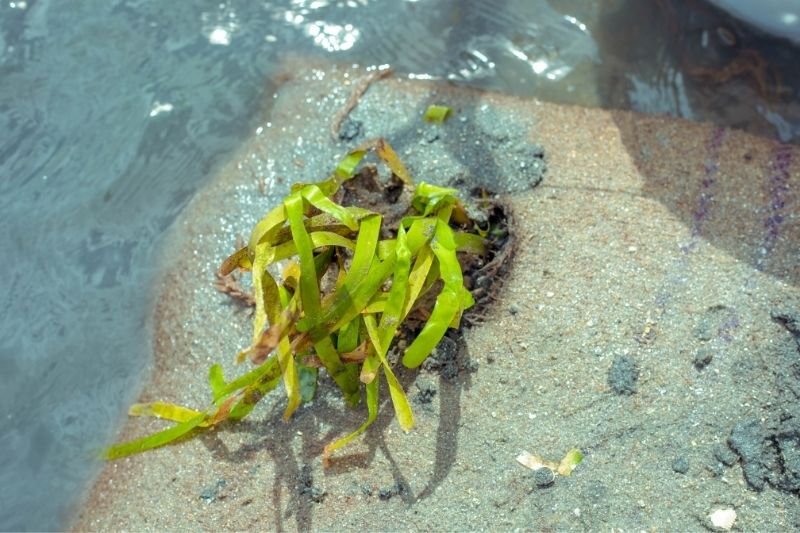
More than half of the seagrass cover in the ocean has been lost since 1977. This is due to numerous anthropogenic pressures that threaten the existence of seagrass beds. Most findings report that pollution, coastal developments, and boat anchoring have for decades been the major cause of seagrass loss in many areas including the Indian Ocean. Seagrass is one of the most overlooked marine ecosystems. Worse, local coastal communities are not even aware of the roles and importance of seagrass or how to conserve it. The UNEP reports that globally, 7% of seagrass cover is lost every year—equivalent to a football field of seagrass cover lost every 30 minutes. There is a possibility of losing seagrass beds completely in the next 10 years if no actions are taken.
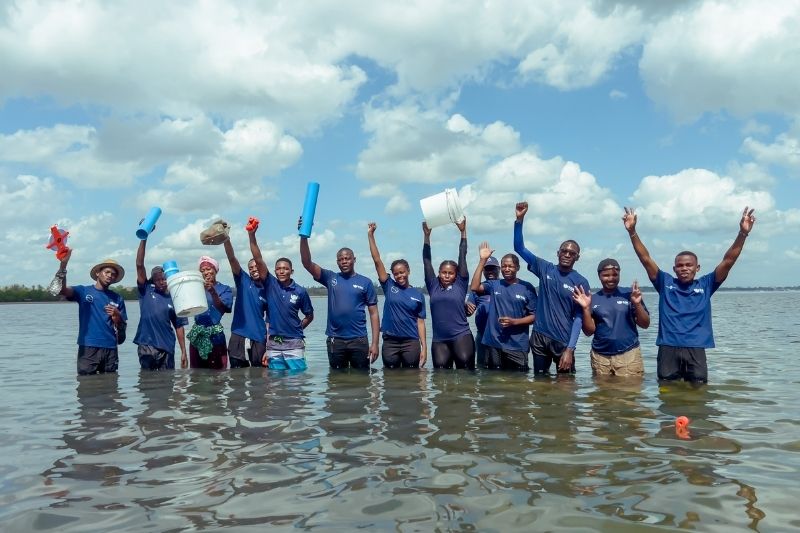
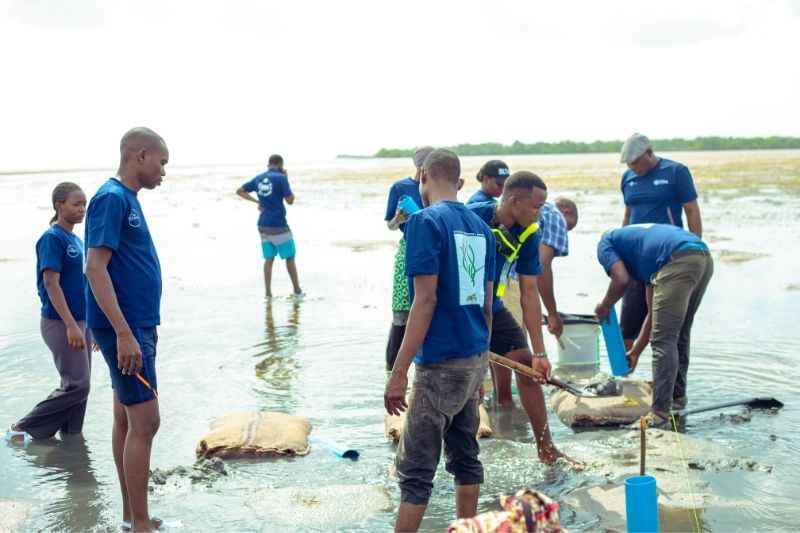
THE GRASS UNDERWATER PROJECT has a goal to make seagrass a familiar habitat to everyone so that it’s no longer overlooked but given the spotlight it deserves. Through raising awareness to the community, performing seagrass bed monitoring, research, conservation, protection, and restoration, it will also aid in protecting Tanzania’s marine endangered species like sea cows and sea turtles, whose existence greatly depends on seagrass for food and shelter.
Project type: Blue carbon ecosystem restoration / Nature-Based Solution
Project status: Ongoing
Project Objectives
- To adopt seagrass meadows in Tanzania for restoration, monitoring, protection, and conservation
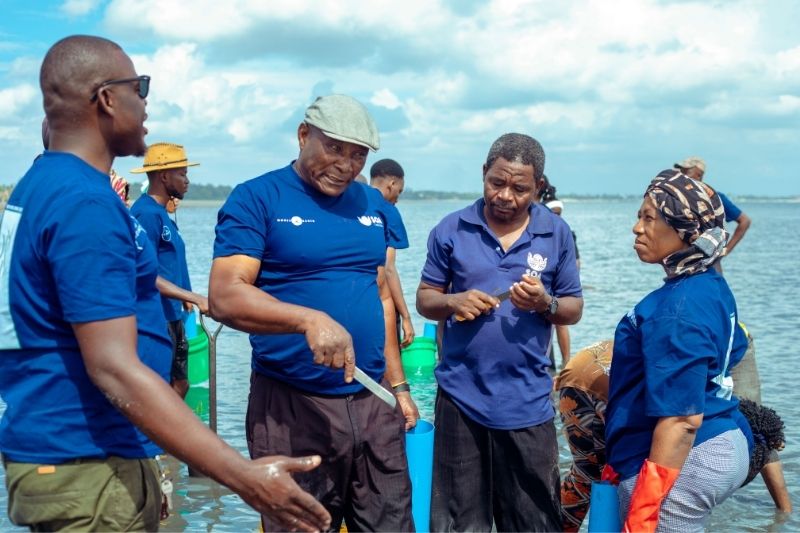
- To raise awareness on the values, roles, and importance of seagrass meadows to our ocean
- To empower youth and local coastal communities in sustainable blue economy and innovations
Seagrass Planting Methodology
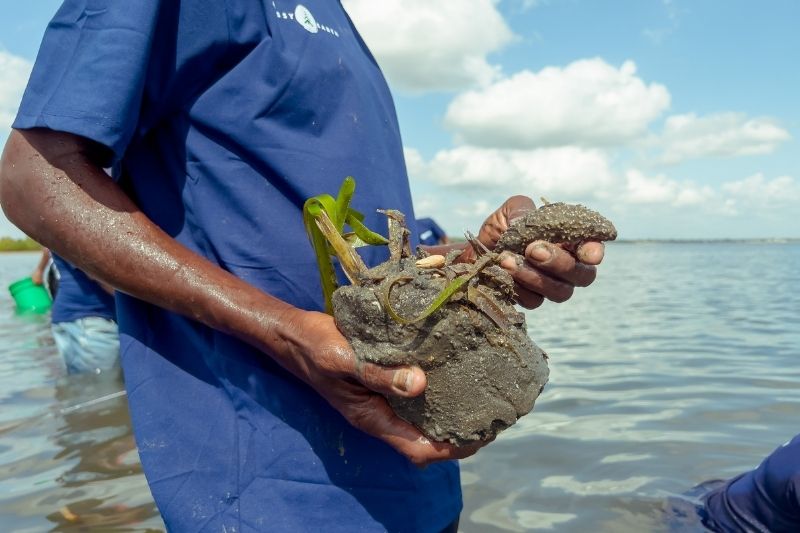
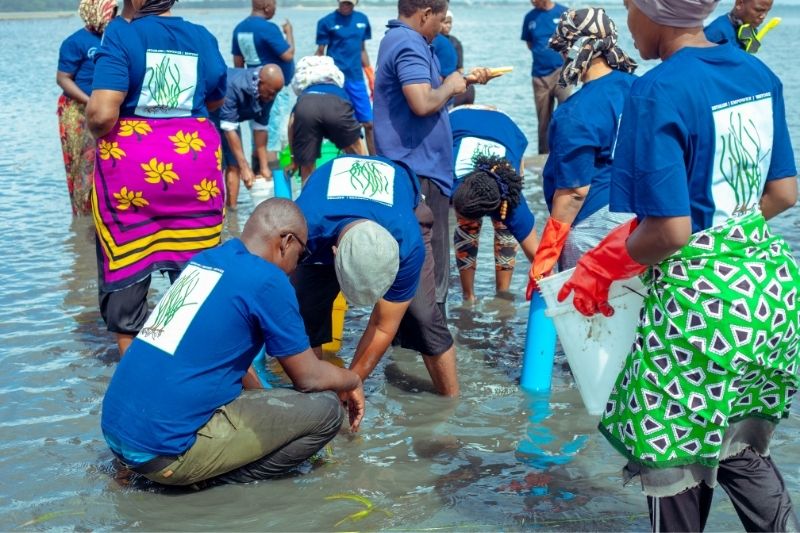
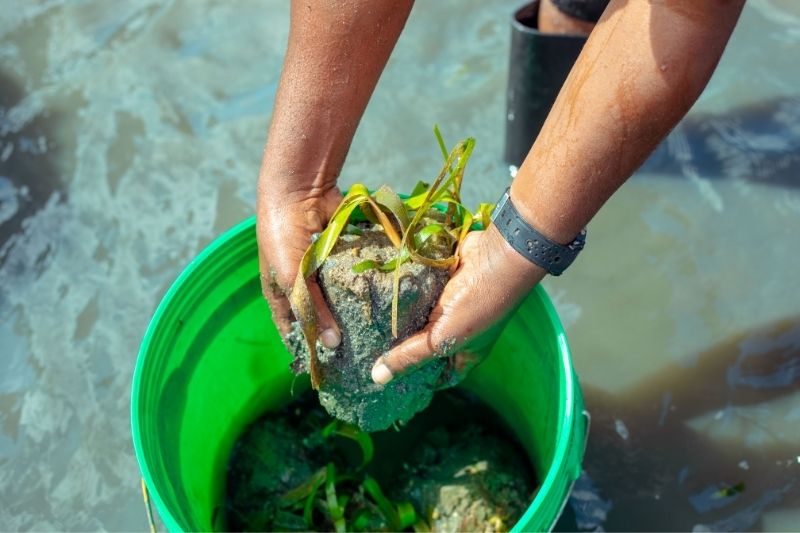
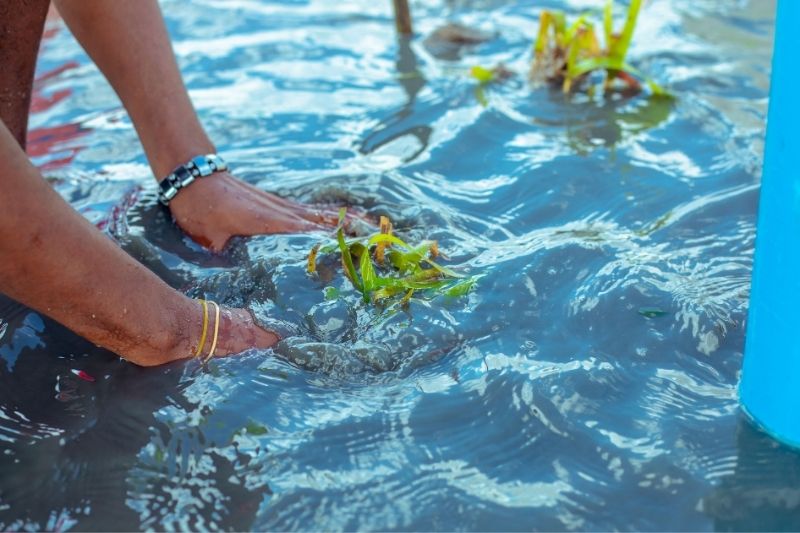
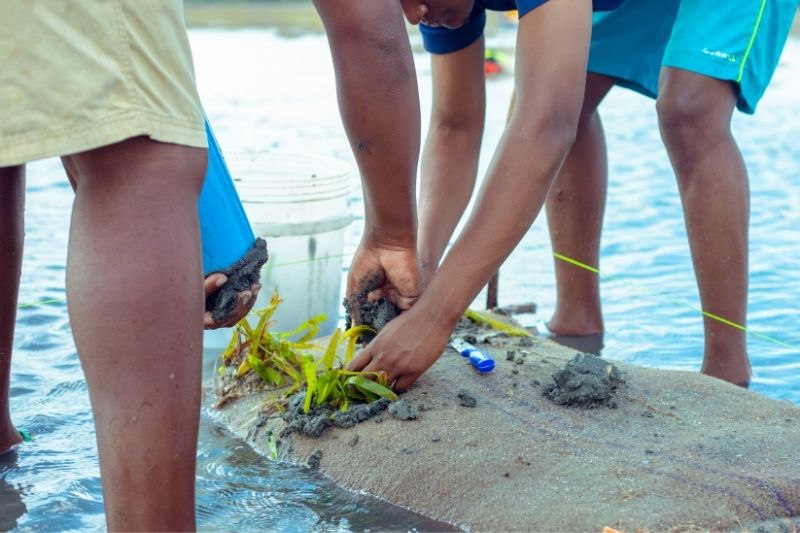
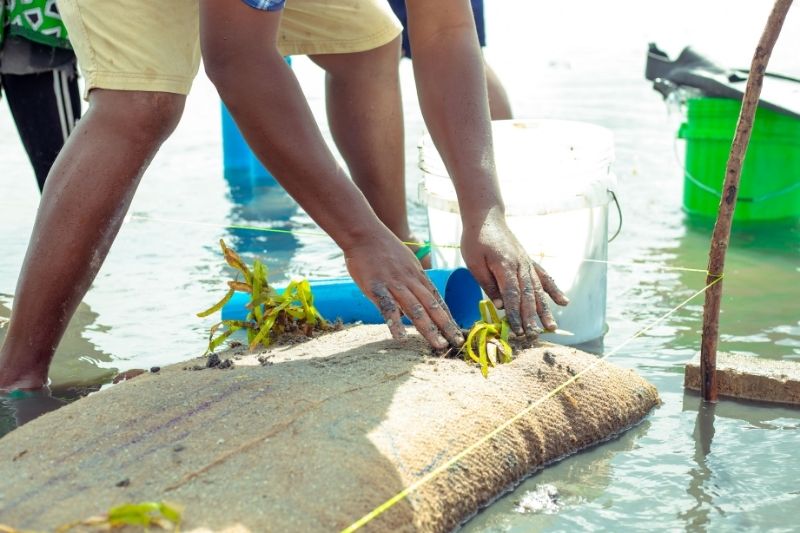
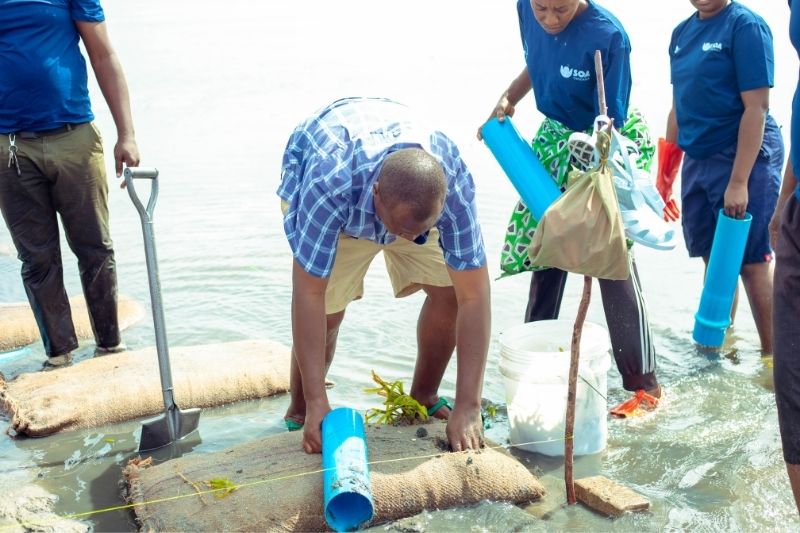
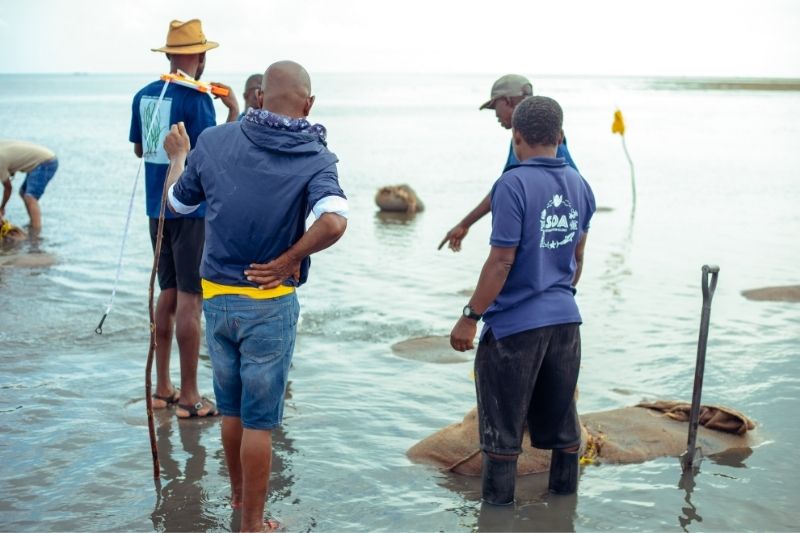
- We have adopted seagrass restoration guidelines from the Western Indian Ocean Marine Science Association (WIOMSA) on seagrass meadow restoration in the Western Indian Ocean region.
- Seagrass restoration methods that we use have scientifically been proven to perform successfully in Tanzania.
Local Indigenous Coastal Community Livelihood Improvement
- Healthy seagrass meadows’ presence improves fisheries stock, providing food to local coastal communities and improving coastal fisheries, empowering local coastal communities.
- Local coastal communities and youth have also been empowered via sustainable blue economy and innovations.
Youth Involvement
The Grass Underwater project is led by our ocean leaders in SOA Tanzania. From project development to management and implementation, our young ocean leaders have been working hard to achieve the project goals. Our ocean leaders also work closely with our mentors and partners.
Project Impacts
- 0.5 square km of seagrass meadows have been adopted in Bagamoyo, Tanzania for restoration, conservation, and monitoring.
- More than 100 people have been educated on the roles and importance of seagrass meadows.
- 20 local coastal community and youth members have been empowered.
Together, Restoring Tanzania's Oceans for Tomorrow
Connecting global efforts to restore Tanzania’s marine ecosystems.